12 Black Friday marketing strategies for Shopify stores this BFCM
Black Friday and Cyber Monday are no longer just days of high-volume sales. They are critical moments that could make or break Shopify merchants — $14.6 billion in Shopify sales over the 2025 weekend alone. Because of the rising competition year after year, you need working strategies, not generic advice, that can positively impact your bottom line.
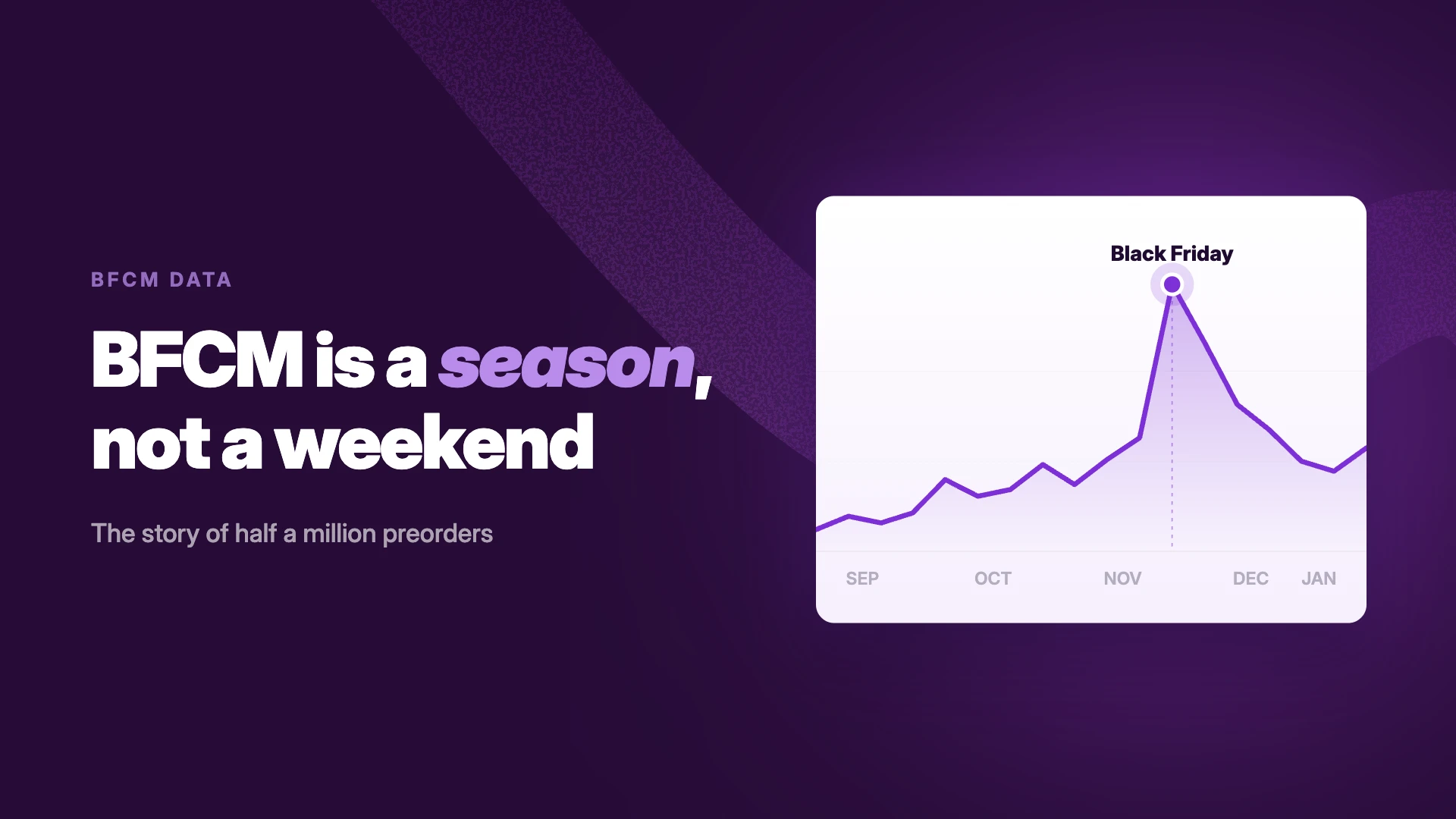
The merchants who win during BFCM don't just discount harder. They start selling before the weekend, keep selling when products run out, and keep the revenue coming after Cyber Monday ends. Here are twelve strategies for exactly that — before, during, and after the busiest shopping weekend of the year.
This post covers the promotions. The store prep like inventory, site readiness and fulfillment lives in the Black Friday checklist for Shopify stores guide, do give it a read.
Before the weekend: capture demand early
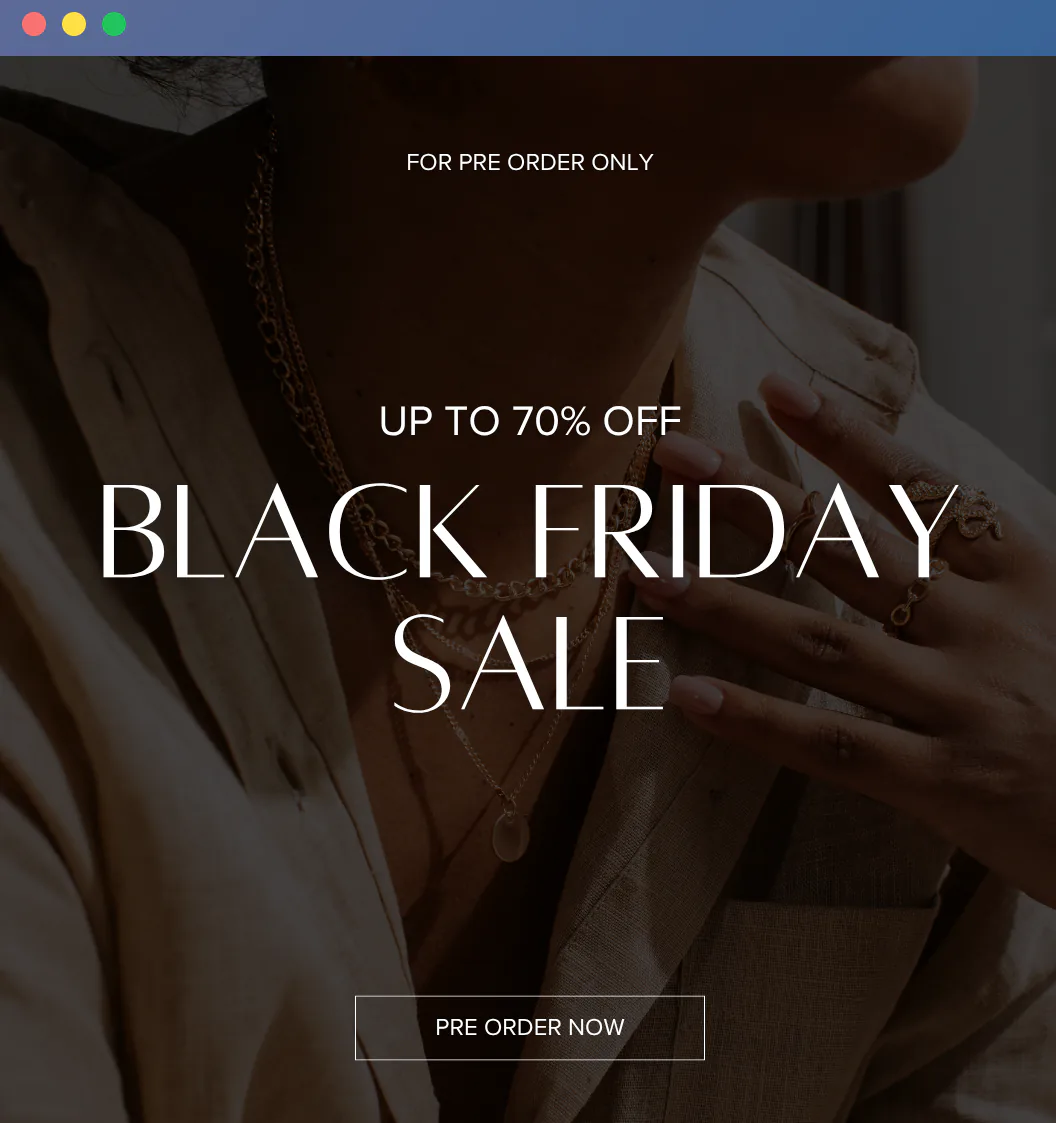
1. Start preorders with VIP teasers and loyalty perks
Most merchants wait until the BFCM weekend to launch their offers. Smart merchants begin weeks in advance with preorders and exclusive early access. Why does this work? Well, you capture the budget before your competitors even start promoting.
When your buyers preorder, they are committed to your product. You use the cash collected from buyers to finance your inventory purchases.
How to do it:
- Launch VIP early-bird access 2-3 weeks before BFCM for email subscribers or loyalty members — a private link or password-protected store section for your top spenders creates the exclusivity
- Provide unique bundles or limited-edition items offered exclusively as a preorder
- Use preorders to have confidence in the demand before investing heavily in new inventory
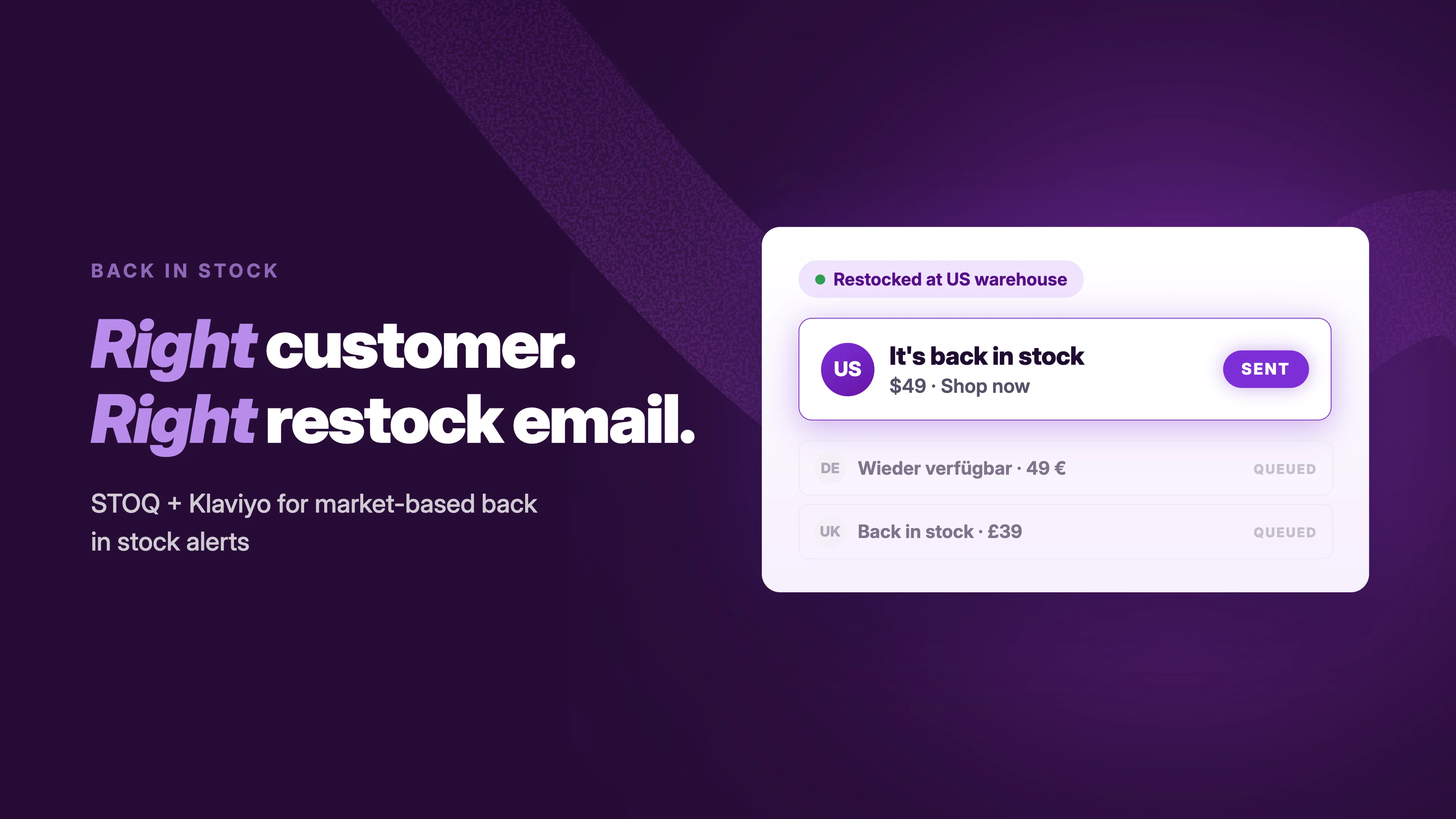
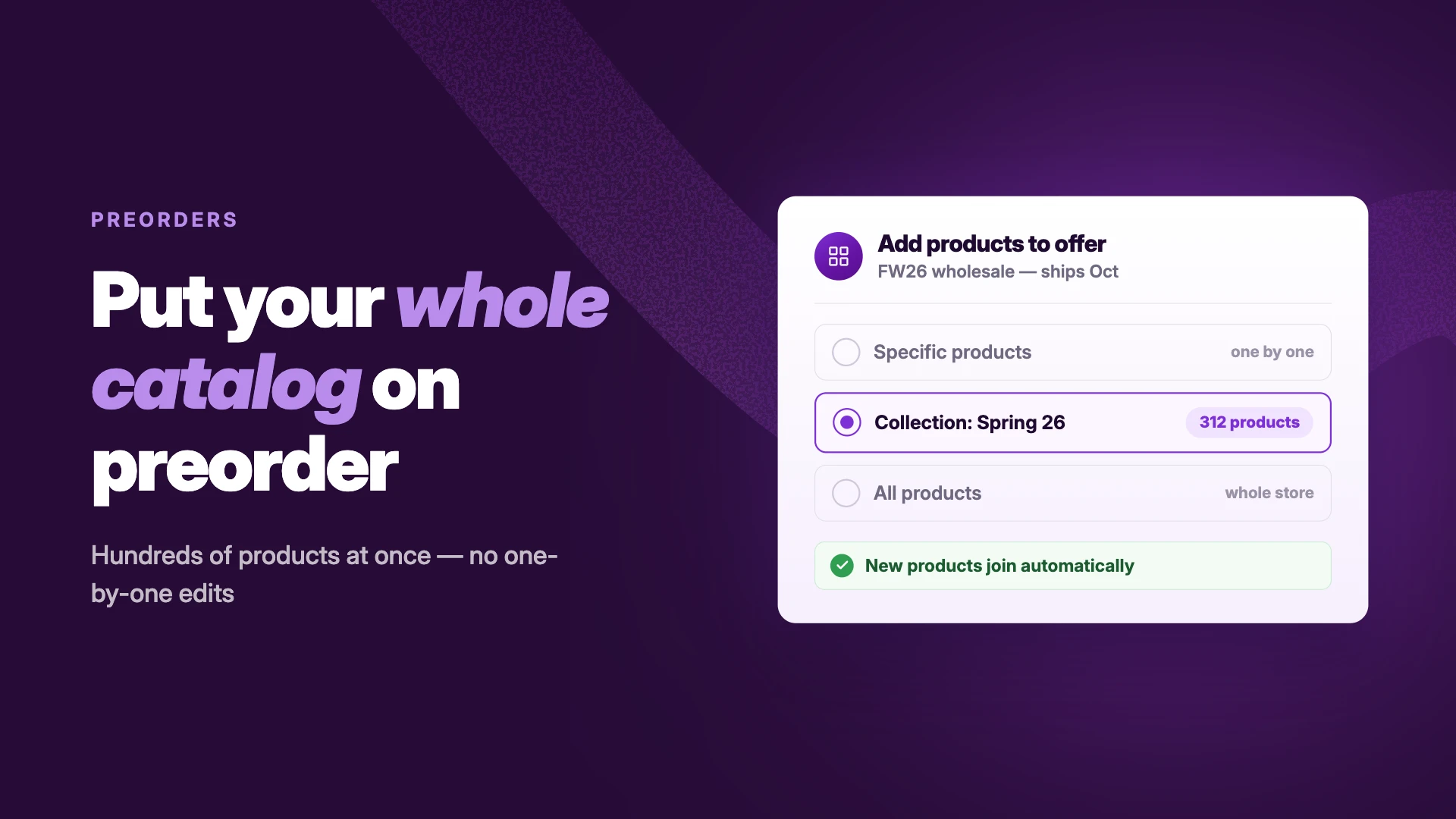
If you're hesitant about tracking preorders at scale, apps like STOQ handle all the details for you, from variant inventory tracking to notifying customers automatically.
Thinking about preorders? Watch our tutorial video on how to set up preorders on Shopify, the right way.
2. Build anticipation with teaser campaigns
Start teasing your BFCM deals 10-14 days early to get shoppers excited. For instance, you can post Instagram stories with blurred product previews ("Can you guess what's 50% off?"), send emails with subject lines like ("Our biggest secret drops Friday…"), or create a sense of mystery with a countdown ("3 days until everything changes").
Stores that build anticipation are likely to see more traffic when the sale actually goes live. The real trick is revealing just enough to spark curiosity without giving everything away.
3. Collaborate with micro-influencers for social proof
Authentic recommendations from micro-influencers regularly outconvert celebrity endorsements. When these creators share honest "unboxings" or tutorials, their audience sees excitement, not ads.
Target influencers with 5K–50K followers who genuinely use products like yours. Send them your BFCM marketing bundle before the sale and request honest feedback. Offer their audience a special discount code to spark engagement.
Real-life case study: L'Occitane's Black Friday push took a creative turn with influencer-curated gift guides. UK creator Robin James featured his personal picks in an Instagram Reel, blending an easygoing tone with premium visuals. The result? A campaign that felt both high-end and relatable, resonating strongly with shoppers.
4. Create an SEO-optimized BFCM landing page
A boring "/black-friday" page in all probability won't cut it. It's important that merchants create an engaging, info-packed landing page that answers all questions.
Include FAQs about shipping and returns, real customer photos, and clear "Shop Now" buttons above the fold. Further, you can use phrases like "best Black Friday deals on [your product type]" throughout the text. Also, keep the design clean so mobile users can browse easily, and update it yearly at the same URL so Google sees it as fresh content.
Real-life case study: Deal-finding hub Krazy Coupon Lady joined forces with Masthead Media to supercharge their BFCM landing pages. By packing them with search-friendly content, they achieved an 887% jump in top-3 keyword rankings, nearly 1,000 #1 positions, and a 64% boost in search traffic. Featured snippets also spiked 21%, cementing their visibility during the shopping rush.
During the weekend: convert the traffic you paid for
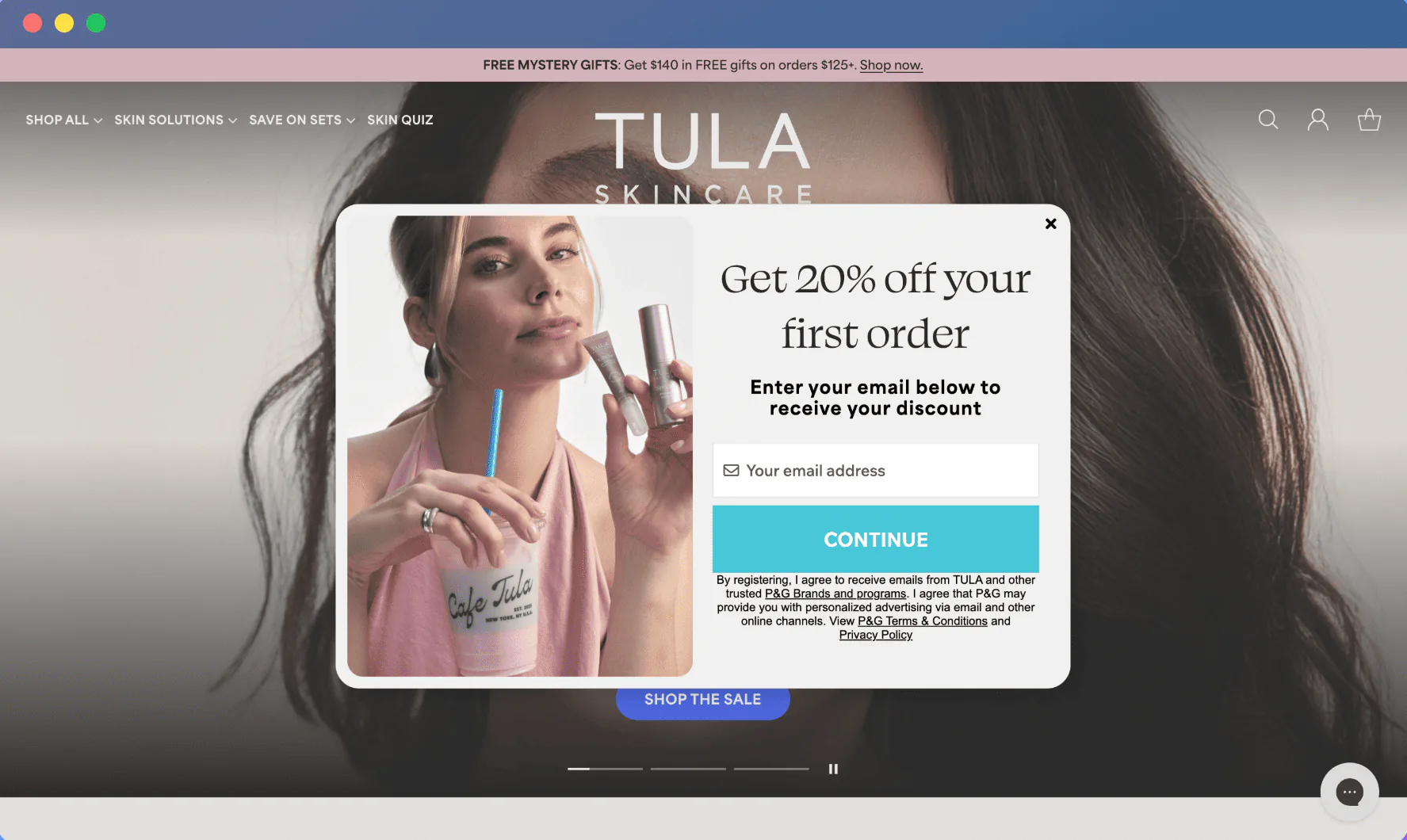
5. Segment your offers — stop sending one deal to everyone
Offering the same deal to everyone is like leaving money on the table. Personalization means tailoring offers based on what customers actually want. If someone bought skincare last year, send them a curated routine with BFCM discounts. Cart abandoners get a gentle nudge with a bonus gift. Big spenders? Offer them early access to luxury bundles.
Segments to prioritize:
- VIP customers: Provide early access or better discounts to your top customers
- New subscribers: Welcome them with a first purchase incentive tied to your BFCM promotions
- High-intent browsers: Retarget customers who viewed products but did not buy with personalized suggestions
- Waitlist signups: The customers who asked to be told when a sold-out product returns — the highest-intent segment on your list
Write like you're recommending deals to a friend — warm, direct, and helpful. The full segment-by-segment email program, with subject lines and templates, is in Black Friday email examples & personalization.
Real-life case study: During BFCM, Detox Market tempted shoppers with a full-size freebie on orders over $200. A clean, eye-catching email carried the message. This simple perk encouraged bigger carts, put more products in customers' hands, and boosted overall sales.
6. Create real urgency with countdowns and time-limited offers
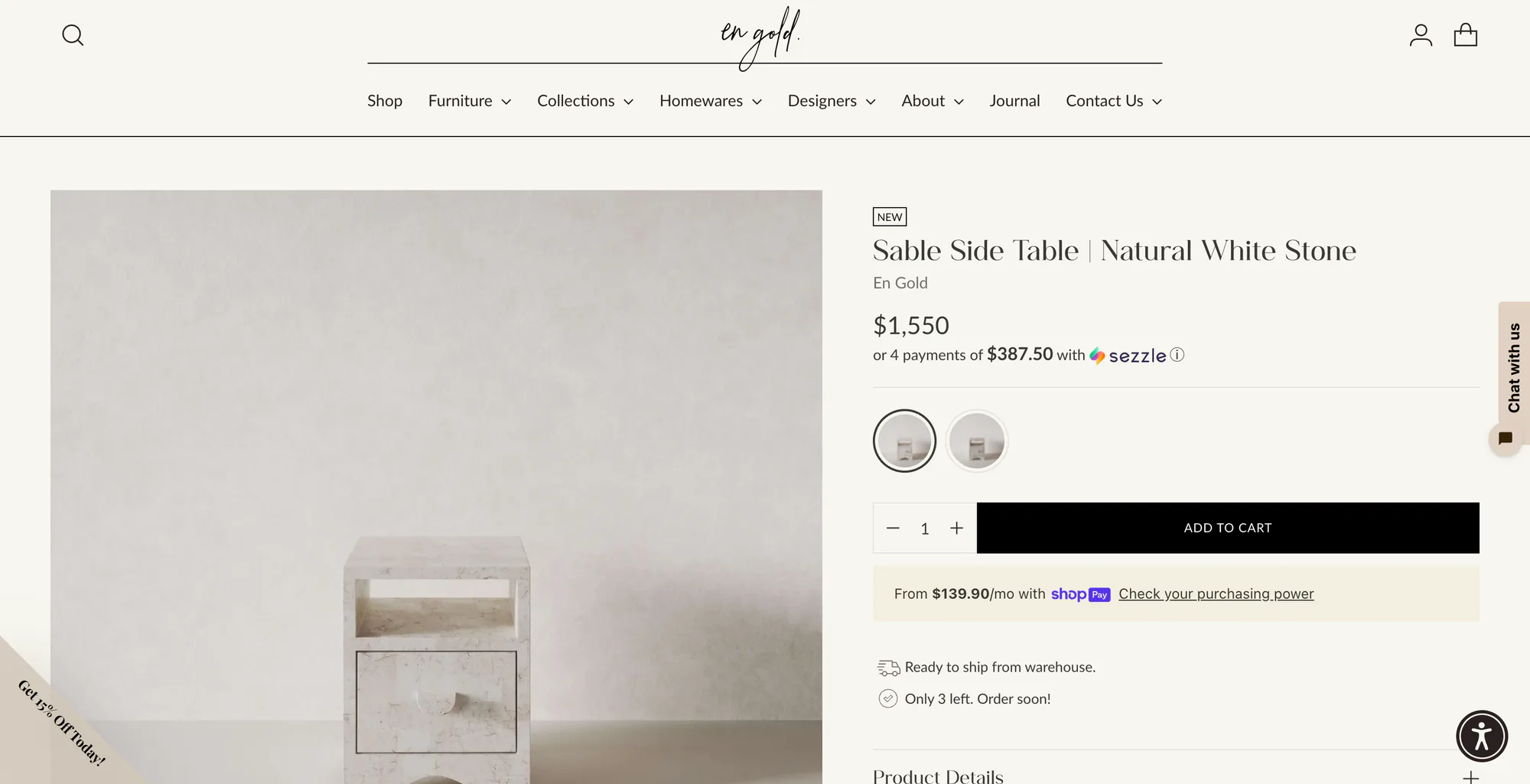
Nothing pushes hesitant buyers like a ticking clock, but placement matters. Instead of generic "Sale Ends Soon!" banners, integrate countdown timers where they'll have the most impact: product pages ("Only 3 left at this price!"), checkout ("Complete your order in 8:00 for free shipping"), and abandoned cart emails.
Tactics that work:
- Countdown timers on product pages and in emails showing when the deal ends
- Flash sales that run for 2-6 hours, not all weekend
- Limited-quantity bundles that sell out and don't restock
- "Only X left in stock" messaging for high-demand items
The key is authenticity. Don't fake scarcity; customers notice, and it kills trust. Use real inventory levels and genuine time constraints to drive action.
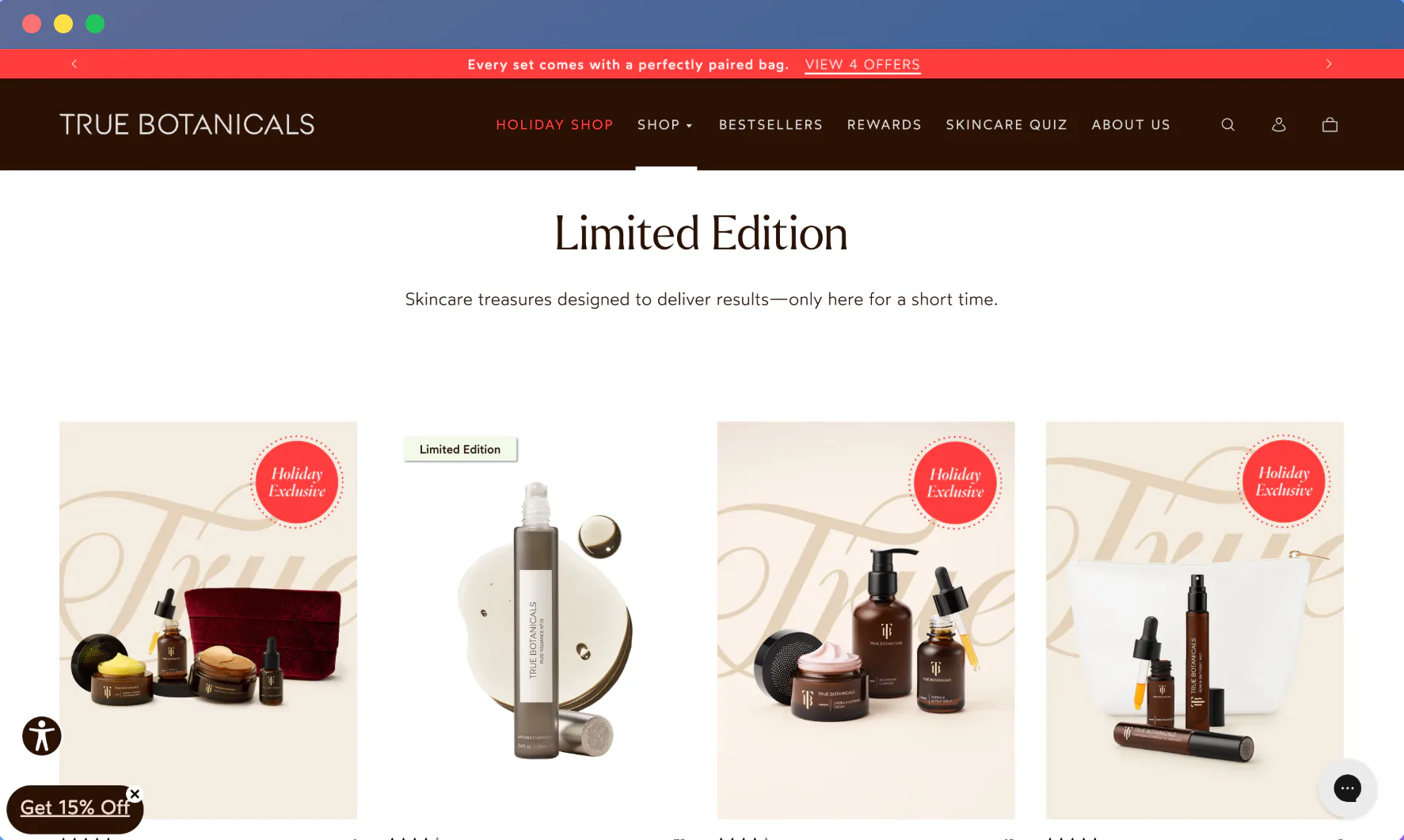
Real-life case study: En Gold ran a Black Friday campaign with a 20% discount, amplified by a ticking countdown clock. The urgency-driven approach paid off; orders jumped by 40%, proving that a simple timer can significantly push shoppers to buy faster.
7. Retarget with urgency-driven ads
When shoppers leave without buying, don't just remind them with generic ads. Instead, use real-time urgency to pull them back. For instance, show dynamic ads with live inventory updates ("Only 3 left at this price!") or countdown timers ("Deal ends in 2 hours!").
Here's a simple black friday advertising tip: Target people who viewed high-value products but didn't check out. A simple "Your cart is waiting, complete now before stock runs out!" works better than a bland "Don't miss out."
Keep testing different messages because what works for luxury items may not work for everyday essentials.
8. Boost average order value with bundles and upsells
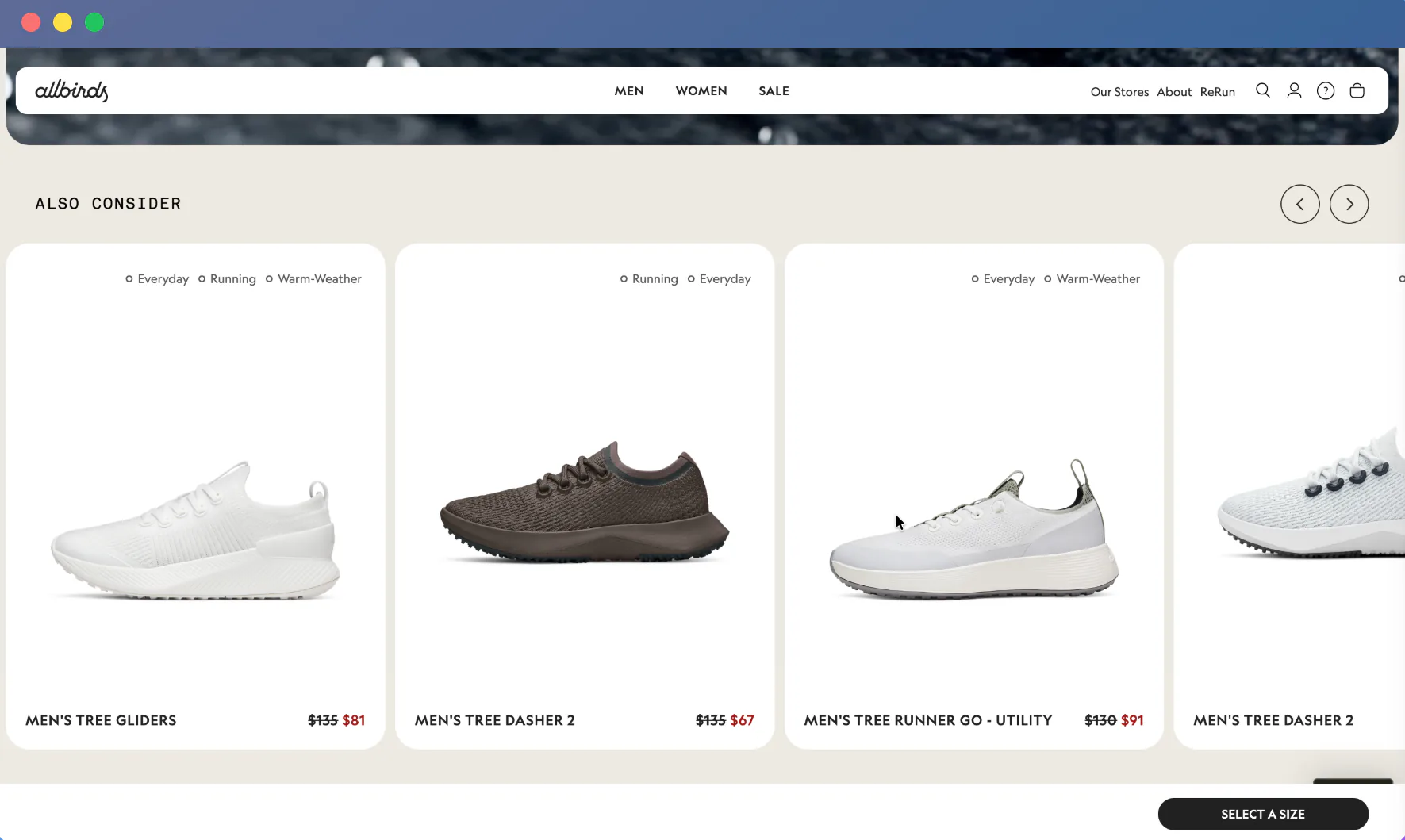
You've already paid to get customers to your store. Make every order count by increasing what they spend. Bundling best-sellers with complementary items ("Complete Your Routine: Shirt + Pant for 25% Off") can help increase average order value.
Strategies to raise AOV:
- Product bundles: Highlight limited-edition bundles to create FOMO, with a slight discount to make the choice irresistible
- Checkout upsells: Suggest a premium upgrade right pre-purchase ("Add this sock pair for just $10 more")
- Threshold incentives: Free shipping at $75+ or a gift to incentivize larger carts
The key is making bundles feel exclusive, not just a random mix of products.
9. Utilize SMS marketing for instant reach
SMS marketing isn't just for alerts anymore. You can deploy it for instant reach and reminders ("Sarah, your exclusive BFCM link is ready!").
Ideally, keep your messages short and ultra-clear ("Today only: 30% off on everything! Shop now [link]"). Write like you're texting a friend about a great find. You can use emojis to make it fun, or highlight urgency through special coupon codes and one-time offers. The key is making each message feel helpful, not spammy. Ready-to-steal message templates? Check our back in stock SMS examples guide.
10. Offer payment flexibility
High-ticket items can sometimes scare shoppers off, unless you remove the financial friction.
Luckily, Shopify offers many flexible payment options. Shop Pay Installments makes it easy to offer Buy Now, Pay Later options for both online and in-store shoppers. Buyers can choose to pay the full amount right away or split it into smaller, scheduled payments. During Black Friday sales, when deals are short-lived, this option can ease the hesitation and promote action.
Remember, it's not about pushing bigger spend, but making higher-value purchases feel manageable. The rest of the checkout tune-up like guest checkout, express payments, speed is prep work, covered in the — checklist's store-readiness section.
11. Turn out-of-stock products into sales via preorders & back-in-stock alerts
Running out of stock on Black Friday? That does not mean losing sales.
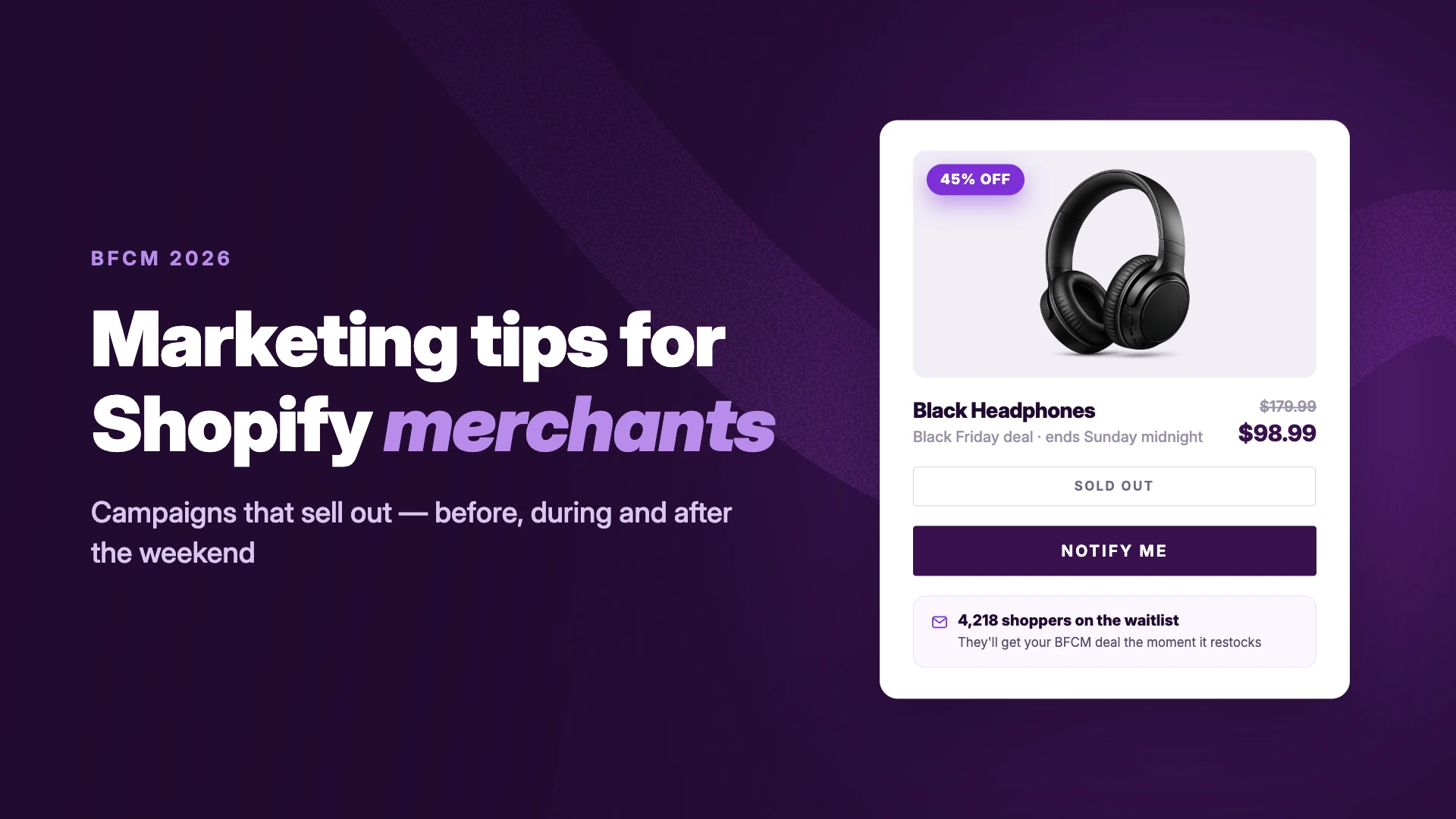
When a "hot" product sells out, you can give your customers two great options: either pre-order for the next batch or join a priority waitlist. Add a small perk for patience ("Reserve yours now and save 5%") and create buzz by showing interest levels ("237 customers have reserved theirs!").
Keep the sign-up process quick, and follow up with personalized alerts when stock returns. This way, you turn disappointment into anticipation. STOQ runs both from one app — over 30,000+ Shopify merchants use it to send back-in-stock alerts and take preorders when inventory dips. Which option fits which product — preorder, alert, or waitlist — is a dates question; the decision guide is in the — checklist's inventory section.
Read more: How to sell products on Shopify even when they're out of stock?
After the weekend: keep the revenue coming
12. Retarget, re-engage, and resell after BFCM
BFCM isn't over when the weekend ends. The customers who bought from you (or almost bought) are your highest-value audience for the next 30-90 days. The moment after purchase is golden for building loyalty — warm, friendly re-engagement can turn one-time buyers into regulars without feeling pushy.
Post-BFCM revenue tactics:
- One-click post-purchase upsells immediately after checkout, when the intent to buy is highest ("Want to add a matching case for $7?")
- Send follow-up emails seeking reviews and providing a discount for their next purchase
- Retarget your BFCM buyers with complementary product recommendations via email, SMS, and ads
- Re-engage customers who abandoned their cart with "Last chance" or "We saved your cart" messages
- Introduce a loyalty program or subscription option ("Get 15% off when you join our monthly club")
- Launch a Cyber Week or extended sale for anyone who missed the main event
The revenue you generate in the weeks after BFCM often matches what you made during the weekend itself if you have a plan to capture it.
Real-life case study: Instead of stopping at Cyber Monday, Essential Jewellery kept the momentum alive with a three-phase email plan aimed at their most engaged audience. The payoff was huge; email drove 37% of November's total revenue, more than doubling year-over-year performance. December sales also climbed 63%, proving that well-timed post-sale emails can extend the holiday revenue wave.
Wrap-up: the path to BFCM success
You now have twelve strategies to make this BFCM count. The pattern behind all of them: start capturing demand before the weekend, convert it with offers that match each customer, and don't let a sellout or a Cyber Monday deadline end the campaign.
None of it works without the store behind it being ready with inventory confirmed, dates padded and site tested. That's the other half of the job, and it's in the Black Friday checklist, which starts in August for a reason.
Ready to keep selling when your bestsellers run out? Install STOQ from the Shopify App Store — free to start
FAQs
What types of BFCM offers drive the highest average order value on Shopify?
Specific discount coupons, limited-time offers, bundling high-value products, and upselling are the most effective levers for increasing average order value during BFCM.
When should I start my Black Friday marketing?
Preorders and VIP early access open 2-3 weeks before the weekend; teaser campaigns start 10-14 days out. The goal is capturing budgets before competitors start promoting — by Black Friday morning, your best customers should already have bought.
What role do social media and influencer partnerships play in BFCM marketing?
A genuine influencer mention feels like a friend's recommendation, and that builds more trust than a generic ad. Pick one or two networks where your audience hangs out and build focused campaigns there.
How do I handle inventory and avoid stockouts during BFCM sales?
Track fast-moving items and put backup plans in place before the weekend: preorder or "Notify Me" options the moment stock runs dry, with per-variant limits so demand spikes don't become delivery failures. The full decision guide is in the Black Friday checklist.

Rajat is CMO at Artos Software, leading growth for STOQ and our portfolio of Shopify apps through SEO, content, partnerships, and AI-driven marketing.